


Suffering from Sciatica? Physical Therapy Has Solutions
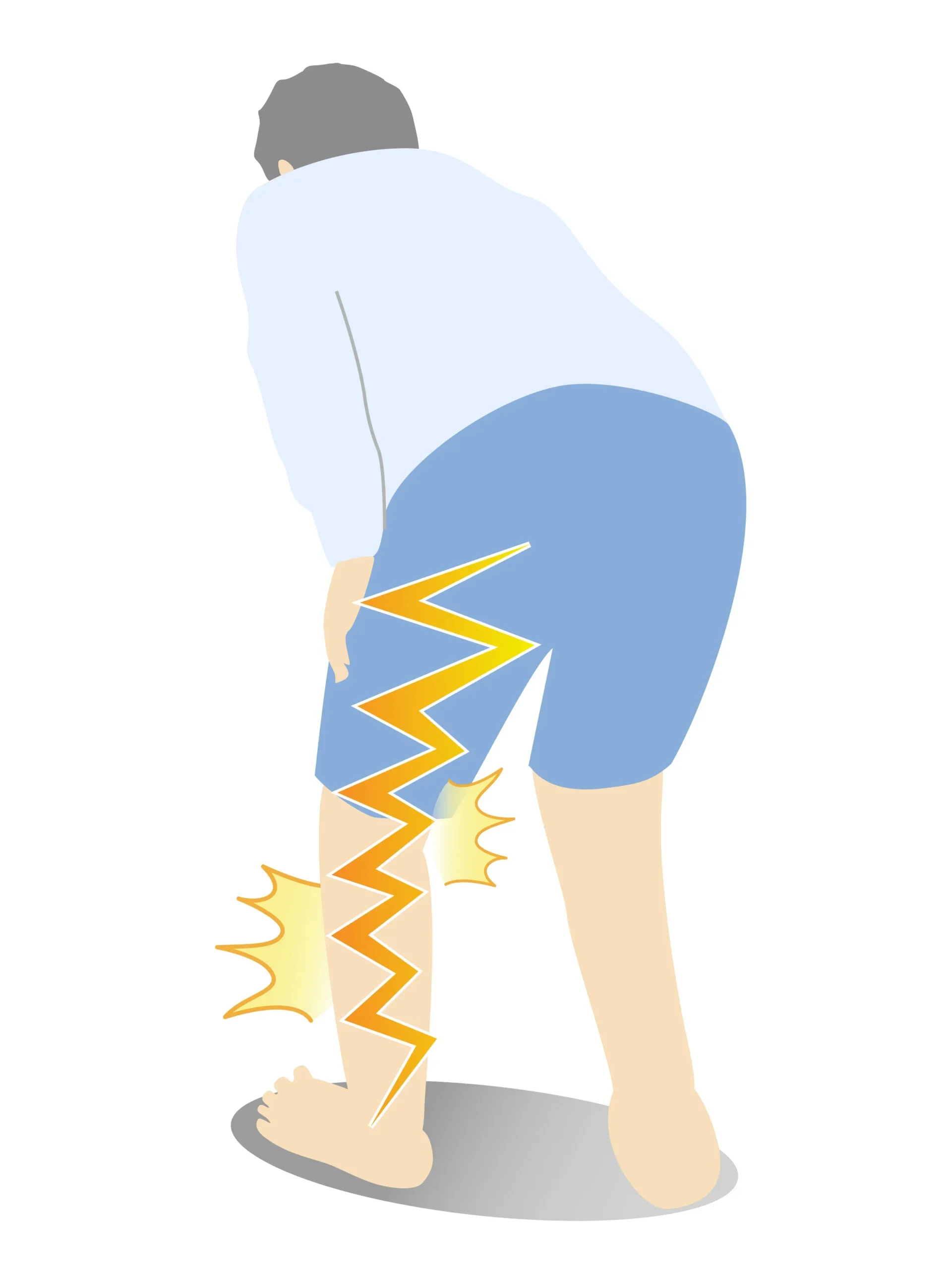
Are you dealing with burning, shooting pain that radiates from your lower back into your foot? This is the hallmark of sciatica, an often misunderstood nerve condition. While sciatica can be extremely painful–and often debilitating–you don’t need to despair. Physical therapy at Soleil Physical Therapy has solutions to help you find relief.
Sciatica is named for the sciatic nerve, one of the primary nerves in your body. Its roots are located in your lower back, and the nerve runs through the buttocks and down the back of the leg into the foot. While some people will refer to any pain in the lower extremities as sciatica, the term only refers to symptoms that stem from the sciatic nerve.
To help you better understand sciatica and what physical therapy can do to help, we want to share a case study of one of our patients, a 55-year-old woman we’ll call Sally. If you suspect you may have sciatica, schedule an appointment with us today!

Our Patients Get Great Results
“Both Dave and Ron are super friendly and helpful! They focused on my concerned areas and provided proper treatments and exercises to address issues on my neck and shoulder. I walked away with less pain each time!”
– F.C.
Exploring Sally’s Symptoms
Sally’s pain was quite severe. She mostly felt it in her right leg–a shooting, electric pain that seemed to split down the back of her calf muscle. Occasionally, she felt a dull ache in her lower back, but her leg pain caused her the most trouble. It was worse when she was lying down or had to be on her feet for long periods.
The other issue–and the reason she ultimately found her way to our clinic–was that she also experienced a persistent pins and needles sensation down the back of her leg, which alarmed her. As her leg began to feel weak and heavy, she knew her symptoms weren’t going away on their own.
Identifying the Root Cause
Our physical therapists listened to Sally explain her symptoms and then performed a comprehensive physical evaluation to assess her strength, range of motion, and key areas. We also took a complete health history.
While we could confidently say Sally had sciatica, it was more important for us to determine why she had it. The truth is that sciatica isn’t so much a condition in and of itself as a sign that something is wrong with the sciatic nerve–usually that it’s been compressed or irritated.
So we dug a little deeper and confirmed what we suspected: Sally had developed a herniated disc. Herniated discs occur when the cushiony material between the spine’s vertebrae bulges outward. In Sally’s case, that bulging disc was pressing against her right sciatic nerve root, sending symptoms radiating down the nerve itself.
Addressing the Issue
Once we knew Sally’s sciatica had developed due to a herniated disc, we were able to create a personalized treatment plan to address it. Fortunately for Sally, physical therapy is an excellent way of resolving pain from a herniated disc.
We began with acute pain management, particularly through manual therapy techniques like spinal mobilizations (guiding the back through its current range of motion) or soft tissue manipulation (a massage-like manipulation of the muscles and other tissue).
These techniques offered acute pain relief so Sally could begin working on a personalized exercise program. At first, we focused on gentle back stretches and encouraged Sally to walk around her block a few times a week.
But as she improved, we began incorporating core strengthening exercises, too. Why core strength? Well, your core muscles support and stabilize the spine; the stronger they are, the more support they offer the lower back. We guided her through a progressive series of exercises, increasing the intensity as she got stronger.
Finally, we gave Sally the tools she needed to prevent future herniated discs. Namely, we encouraged her to stay active, maintain her spine mobility, and continue strengthening her core. We also showed her proper lifting technique so she would be less likely to injure herself.
Find Your Own Sciatica Relief Today
If you have sciatica symptoms, you don’t have to suffer! The team at Soleil Physical Therapy can help you pinpoint the cause of your sciatica and find a solution that works for you. Call us today to get started.
Meet Our Team

Shannon Paisley
Office Manager

Wernjane Yue
MS, MAOM, Licensed Acupuncturist and Chinese Herbalist

Ron Maciel
B.S., PTA

Dave Bacani
PT, DPT, MSPT, MTC, Cert. DN Clinical Director
Recipe of the Month: Veggie Stir Fry

Ingredients:
- 2 tablespoons extra-virgin olive oil
- 1 red bell pepper, stemmed, seeded, and sliced
- 1 yellow bell pepper, stemmed, seeded, and sliced
- 8 ounces cremini mushrooms, stemmed and sliced
- 3 cups small broccoli florets
- 1 cup sugar snap peas
- 1 cup thinly sliced carrots
- 3 green onions, thinly sliced
- Sesame seeds, for garnish
Stir Fry Sauce
- ½ cup water
- ⅓ cup low-sodium soy sauce
- 1 tablespoon honey or brown sugar
- 1 tablespoon rice vinegar
- 2 teaspoons toasted sesame oil
- 2 garlic cloves, grated
- 2 teaspoons grated fresh ginger
- 1 tablespoon cornstarch
- ½ teaspoon red pepper flakes, optional
Instructions:
- Make the stir fry sauce: In a medium bowl, whisk together the water, soy sauce, honey, rice vinegar, sesame oil, garlic, ginger, cornstarch, and red pepper flakes, if using.
- Make the stir fry. Heat the olive oil in a large skillet or wok over high heat. Add the red and yellow peppers, mushrooms, broccoli, snap peas, and carrots and toss. Cook, stirring occasionally, for 3 to 4 minutes, or until the vegetables soften slightly.
- Reduce the heat to medium and pour in the stir fry sauce. Stir and cook for 1 to 2 minutes, or until the sauce thickens and the vegetables are crisp-tender. Season to taste. Top with the green onions and sesame seeds and serve.
Exploring the Other Causes of Sciatica

While a herniated disc is the most common cause of sciatica, it’s by no means the only one. Here are some additional sciatica causes to be aware of:
- Spinal Stenosis: Spinal stenosis is a condition in which the spinal canal narrows, entrapping the spinal cord and nerve roots. If a narrowed spine presses against the sciatic nerve root, it can lead to sciatica.
- Spondylolisthesis: This refers to a condition in which your spinal vertebrae slip out of place, running into the vertebra beneath it. That slipped disc can press into the sciatic nerve root, leading to sciatica symptoms.
- Piriformis Syndrome: Okay, this one is a bit of a cheat. It doesn’t cause sciatica per se, but it does cause sciatica-like symptoms. The piriformis muscle is a flat, narrow muscle that runs from the lower spine (i.e., sacrum) through the buttocks and ends at the top of the thigh. The sciatic nerve runs underneath the piriformis. Piriformis syndrome develops when the piriformis presses against the sciatic nerve, leading to sciatic-like pain.
No Matter the Cause, We’ll Help You Find Relief
If you’re experiencing sharp, shooting pain in your leg, the team at Soleil is here to help. We’ll determine the source of your pain and develop a personalized treatment plan to address it. Call us today to get started!