


How Posture Affects Neck and Shoulder Health
Meet Sarah, a middle-aged office worker who, like many of us, spends most of her workday sitting at a desk, typing away on a computer. Over the years, Sarah started experiencing persistent neck and shoulder pain that gradually began to affect her quality of life. Little did she know that her posture was a major part of the problem.
This is the story of how Sarah’s journey to better posture relieved her neck and shoulder pain and improved her overall well-being.

Our Patients Get Great Results
“I saw Ron and Dave for a hip labrum tear and overall hip tightness and they’ve been amazing throughout the recovery process. They took the time to explain everything clearly and gave me exercises that really targeted the problem without making it worse. Thanks to their help, my pain has been almost gone and I’m moving better than I have in months. I could even played back badminton slowly and after the treatment I started to focus on functional training and stretching more before workout. A good training habit is always a good start, it’s never too late. I felt supported every step of the way. Highly recommend if you’re dealing with a similar injury!”
– A.B.
The Postural Predicament
Sarah’s days at the office involved long hours spent hunched over her computer engrossed in her work. Her posture was far from ideal, and she rarely paid attention to how she sat or the position of her neck and shoulders. Like many individuals in sedentary jobs, she was unaware of the consequences poor posture could have on her health.
- The Painful Wake-Up Call: One day, Sarah began to experience nagging neck pain that radiated into her shoulders. At first, she dismissed it as stress-related tension, but the discomfort persisted. Evenings were no longer enjoyable as the pain in her neck and shoulders made it challenging to relax or engage in her favorite activities. It was a wake-up call that something needed to change.
- Seeking Professional Help: Frustrated with the persistent pain, Sarah decided to consult one of our skilled physical therapists at Soleil Physical Therapy, who specialized in postural issues and musculoskeletal health. Her therapist began by comprehensively assessing her medical history as well as Sarah’s posture and movement capabilities.
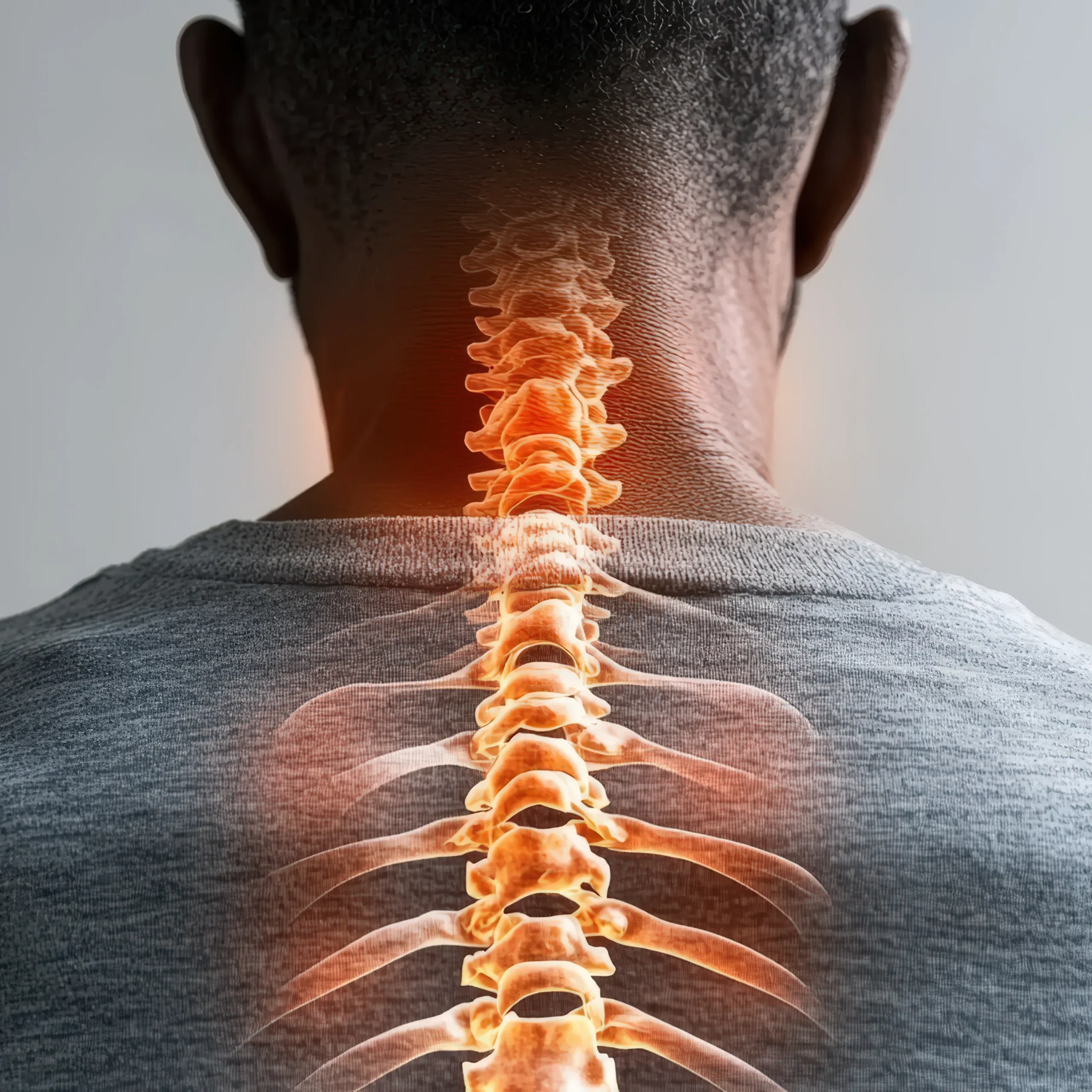
- Understanding the Impact of Poor Posture: Her physical therapist explained to Sarah how her poor posture was contributing to her neck and shoulder pain. Sitting for prolonged periods with her shoulders slouched forward and her head tilted down had placed excessive strain on her neck and shoulder muscles. The therapist also noted that her spine’s natural curvature was affected, further contributing to her pain.
The Treatment Plan at Soleil Physical Therapy
Sarah’s physical therapist developed a tailored treatment plan to address her posture-related issues. The program incorporated various techniques and treatments commonly used by physical therapists to improve posture:
- Postural Education: The therapist educated Sarah about maintaining proper alignment during everyday activities. She learned to sit and stand with a straight back, aligning her head with her spine.
- Exercises: Sarah was given a set of exercises to strengthen her neck, upper back, and core muscles while stretching tight muscles. These exercises were designed to address muscle imbalances contributing to her poor posture.
- Manual Therapy: During therapy sessions, her physical therapist used manual techniques to mobilize Sarah’s spine and alleviate muscle tension. These hands-on interventions helped improve joint mobility and relieve pain.
- Ergonomic Assessment: The therapist provided Sarah with recommendations for her workplace setup and how to make adjustments to promote better posture.
Sarah’s journey to better posture was not without its challenges. It required commitment, consistency, and a willingness to change her daily routine. However, over time, she began to experience significant improvements.
As Sarah diligently followed her exercise routine and ergonomic recommendations, her neck and shoulder pain gradually subsided. She felt more alert and focused at work, which increased productivity. Her improved mood and reduced stress levels were additional benefits of her posture-enhancing journey.
Take Action Today for Better Posture and Health
Sarah’s success story serves as a valuable reminder of how posture affects neck and shoulder health. Poor posture can lead to a variety of musculoskeletal issues, especially in office workers who spend extended hours sitting at desks. However, individuals like Sarah can significantly improve their posture and overall well-being with the right guidance and a commitment to change.
If you are struggling with neck or shoulder pain, give us a call and schedule a consultation to get the relief you deserve!
Meet Our Team

Shannon Paisley
Office Manager

Wernjane Yue
MS, MAOM, Licensed Acupuncturist and Chinese Herbalist

Ron Maciel
B.S., PTA

Dave Bacani
PT, DPT, MSPT, MTC, Cert. DN Clinical Director
Recipe of the Month: Salmon Burgers

Ingredients:
- 4 boneless, skinless salmon fillets about 1lb 4oz in total, cut into chunks
- 2 tbsp Thai red curry paste
- thumb-size piece fresh root ginger, grated
- 1 tsp soy sauce
- 1 bunch coriander, half chopped, half leaves picked
- 1 tsp vegetable oil
- lemon wedges, to serve
For the salad:
- 2 carrots
- half large or 1 small cucumber
- 2 tbsp white wine vinegar
- 1 tsp golden caster sugar
Instructions:
- Tip the salmon into a food processor with the paste, ginger, soy and chopped coriander. Pulse until roughly minced.
- Tip out the mix and shape into 4 burgers. Heat the oil in a non-stick frying pan, then fry the burgers for 4-5 mins on each side, turning until crisp and cooked through.
- Meanwhile, use a swivel peeler to peel strips of carrot and cucumber into a bowl. Toss with the vinegar and sugar until the sugar has dissolved, then toss through the coriander leaves.
- Divide the salad between 4 plates. Serve with the burgers and rice.
Achieving the Ideal Posture: A Roadmap to Optimal Alignment
As soon as someone says the word posture, people straighten right up, only to slump back down in a matter of minutes. Unfortunately, there are also a lot of misunderstandings about what “good” posture is.
At Soleil Physical Therapy, we understand that your “ideal” posture is based on your unique characteristics and life situation. Rather than compare you to someone else, we’ll help you find the posture that creates harmony and balance in your body.
Here’s an overview of what to strive for with posture:
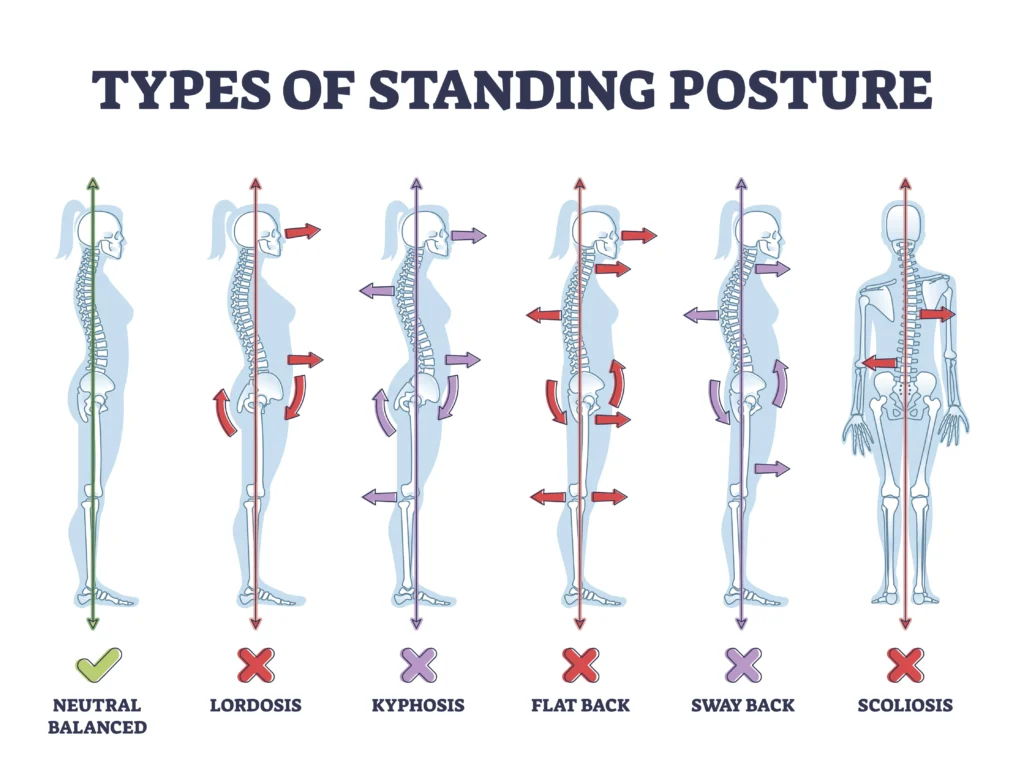
- Head: Your head should be positioned over the spine. This helps maintain the natural curvature of the cervical spine (i.e., the neck), ensures the head is neither leaning too far forward nor tilting backward, and prevents undue strain.
- Shoulders: Your shoulders should be gently pulled back and relaxed, not slouched forward. This posture opens the chest, allowing unrestricted breathing and optimal circulation.
- Spine: The spine exhibits three primary curves: cervical (neck), thoracic (mid-back), and lumbar (lower back). Good posture ensures these curves remain intact, avoiding excessive arching or rounding.
Our therapists will develop a personalized plan tailored to your unique needs based on the assessment. This plan may include exercises, stretches, and techniques to address specific posture-related challenges.
Embrace Your Journey to Ideal Posture Today for a Healthier Tomorrow
Ideal posture is about alignment, balance, and harmony within your body. Our therapists are your partners, helping you identify your unique ideal posture and providing the guidance and support needed to attain it.
Call today to set up a consultation with one of our specialists!